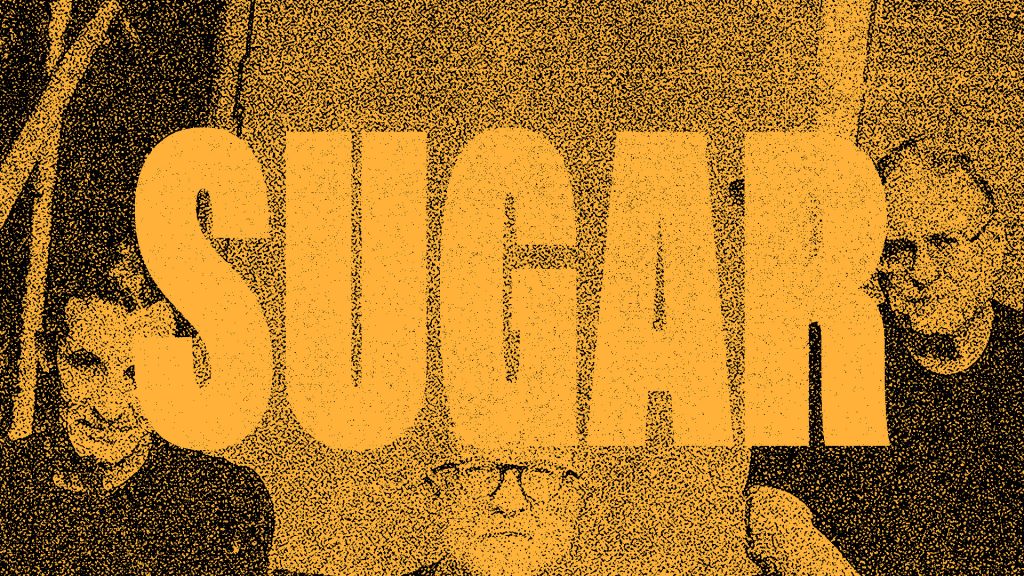
At this point, there isn’t a whole lot to say about Hüsker Dü that you haven’t heard a million times before. Bob Mould, Grant Hart and Greg Norton were “The Fastest Band in the World,” a punishing power trio fueled by righteous indignation and, according to Bob’s 2011 memoir, a little something extra sprinkled into their coffee grounds.
But, as we all know, angry punk bands are a dime a dozen. What made Hüsker Dü (and, specifically, Bob Mould’s songwriting) special was where they went after all that rage. Anger’s an easy emotion, but it doesn’t do much if that’s where you stop. Albums like Zen Arcade and New Day Rising have aged so well because Bob harnessed that energy and reached for more—asking deeper questions and pushing himself as a songwriter. By the mid-’80s, he’d become the McCartney to his own Lennon, bringing a sweetness and pop sensibility to all that punk bile.
But then Hüsker Dü split up.
It was clear from the opening seconds of Bob’s 1989 solo debut, Workbook, that he had expanded his toolkit. The album was lighter and brighter, with jangly guitars, big choruses and lush strings. Then 1990’s fantastic Black Sheets of Rain plunged us right back into the glorious, gloomy depths. Both were well-received by critics and “See A Little Light” got some radio play, but CDs weren’t flying off the shelves the way they probably would have a year or two later, when Nevermind took the world by storm and bands like R.E.M. evolved into proper pop stars.
Of course, record companies aren’t exactly famous for their patience. Bob was swiftly dropped by his label and lost the publishing rights to his just-released solo material, a devastating financial blow at a time when things were already challenging. Without many other options, he did the only thing he could do—he got to work.
He embarked on a solo tour where he could road-test dozens of new songs, material inspired by new music that had been inspired by his old music. Open any music magazine and you’d find trendy acts like Nirvana and My Bloody Valentine or Dinosaur Jr. citing Hüsker Dü as a major influence. And here was Bob, alone onstage with a twelve-string acoustic guitar on bills between those bands and peers like Dinosaur Jr. and Sonic Youth.
Alternative rock was exploding into the mainstream, and he needed a rhythm section to record a new self-financed solo album. Enter bassist David Barbe and drummer Malcolm Travis, who connected with Bob for rehearsals in the basement of a tire shop in Barbe’s hometown of Athens, Georgia. None of the three musicians had ever played together before, but there was an instant, undeniable electricity that was obvious to everyone involved. They brought a powerful, propulsive energy to the songs as it immediately became clear that this wasn’t just another “Bob Mould” album. He was in a band again, and that band was Sugar.
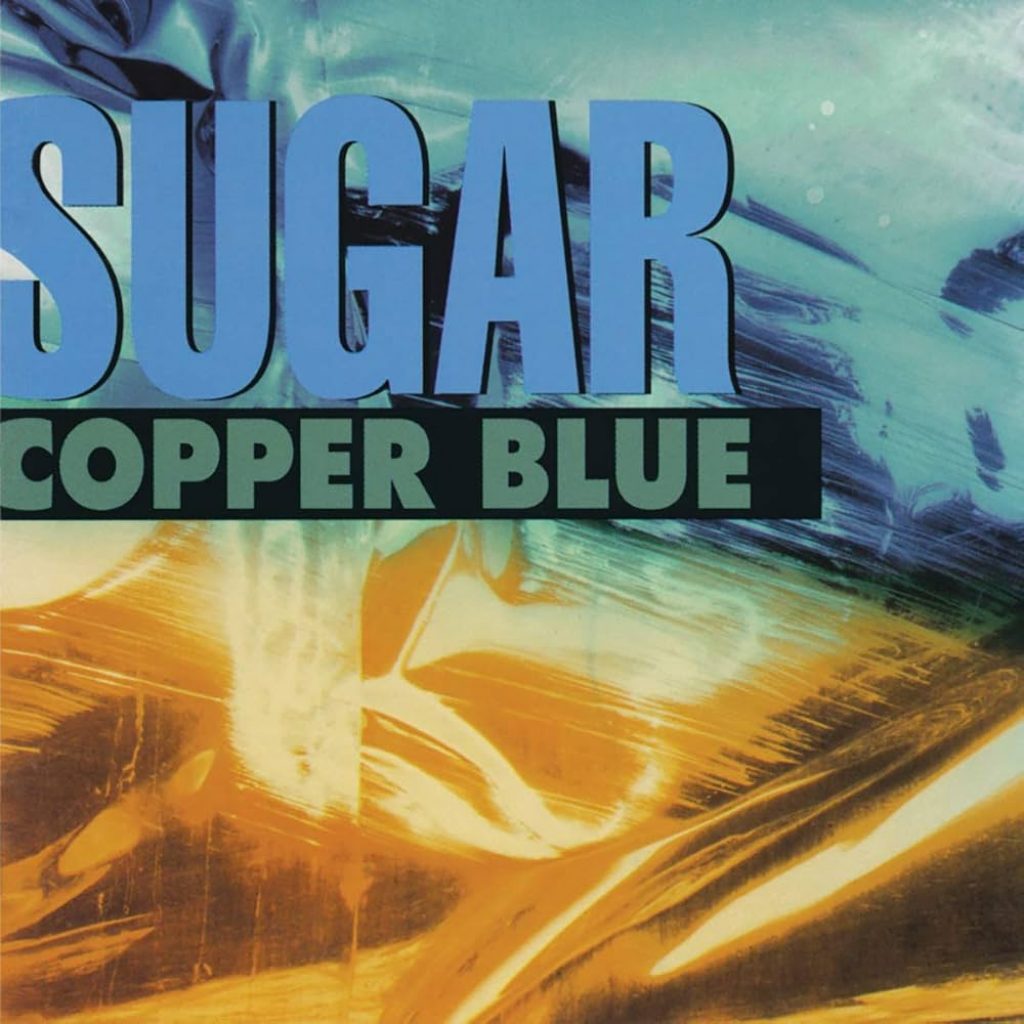
There’s no better place to begin than with their debut. 1992’s Copper Blue is an album that plays like a greatest-hits compilation. Equally influenced by punk rock and mainstream rock like Cheap Trick and The Who, it’s a hooky, accessible intro to Bob’s songwriting that covers every base across its ten tracks. You’ve got tight three-minute rockers, sprawling epics (“Hoover Dam” hive, rise up!) and the sugar rush of singles like “If I Can’t Change Your Mind.”
Amazingly, they followed it up just months later with Beaster, a harsh “mini-album” of songs that originated during the Copper Blue sessions and were highlights on their first tour. Dark and abrasive songs like “Tilted” and “JC Auto” revealed the grittier side of Sugar, while the closing “Walking Away” is an atmospheric, organ-driven experiment unlike anything they would do before or after.
While all of that material was written by Bob before Sugar had played a note together, File Under: Easy Listening was their first album created as Sugar. While highlights like “Your Favorite Thing” and “Gift” were power pop perfection in a similar vein to the songs on Copper Blue, they were clearly open to changing things up a bit. For example, David Barbe songs like “Where Diamonds Are Halos” and “Anyone” had become live staples, but “Company Book” would be his first time getting a writing credit and lead vocal on one of their albums.
But just as quickly as Sugar ascended, they called it a day. David Barbe wanted to spend more time with his young family, and the demands of the band’s success were taking a toll on Bob, too. They’d just spent three years touring hard and releasing new music at a manic pace, and everyone needed to come up for air. In 1995, Bob, Malcolm and David went their separate ways.
But because it was such an amicable split, people spent literal decades speculating about a Sugar reunion. Their legend grew as they were cited as an influence by everyone from arena-rockers like Foo Fighters and Weezer to indie lifers like The Hold Steady, Spoon and The Decemberists. The songs never left Bob’s setlist, and last year he went on a solo electric tour with David Barbe as support that really got tongues wagging.
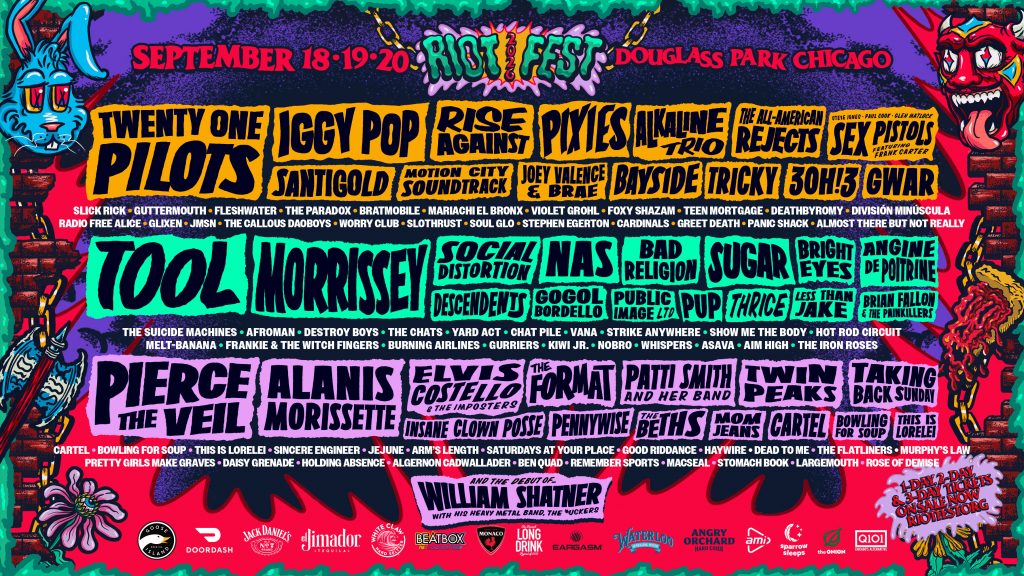
Their initial run barely lasted three years, but there’s a good reason we still care about Sugar more than three decades later. Neatly sandwiched between Bob’s legacy-defining work in Hüsker Dü and a prolific, still-inspiring solo career, they’re an important part of his story and the moment where he found the larger audience he deserved. So to be seeing Sugar in 2026 feels like the most incredible victory lap.
Armed with a setlist full of classics (including deep cuts from 1995’s massively underrated Besides compilation), they’re bound to be a highlight for anyone who catches them on the Roots Stage—or for the lucky few who got tickets for their late-night show at Metro. Listen and see it for yourself.
Spotify Playlist: https://open.spotify.com/playlist/4vlPb9XHxvy0RNzJWv4voF?si=dbd33eab6e624e94
[yarpp]